REVIEW · SEVILLE
From Seville: Olive Oil Farm Tour
Book on GetYourGuide →Operated by Naturanda Turismo Ambiental · Bookable on GetYourGuide
That first olive tasting can change how you shop. This 4-hour Seville-area farm visit shows you hand-picked olives, the working small mill, and then lets you compare different olive oil varieties. One thing to keep in mind: the schedule can run a bit long or feel tighter depending on the day and group.
I like that this isn’t a big, loud factory stop. You get a walk through olive trees, a guided look at the machines and process, and a tasting that goes beyond one safe pour. If you’re expecting a quick “see-and-go,” plan for real time on the ground, plus you’ll need to wear comfortable shoes for the orchard areas.
In This Review
- Key highlights that matter
- The Seville-to-farm drive: how the day starts
- Olive orchard walk: why tree care is the real starting point
- Inside the small factory: seeing machines and physical methods
- The tasting session: sweet, bitter, spicy, and how to make sense of it
- What you actually see and learn: Roman-era roots, real farm routines
- Shared vs private: what to choose for your day
- Price and value: is $105 fair for four hours?
- Practical prep: what to bring and who should skip it
- Should you book this olive oil farm tour near Seville?
- FAQ
- How long is the Olive Oil Farm Tour from Seville?
- Where is pickup in Seville?
- What does the ticket cost include?
- Is food or drinks included?
- Will I taste olive oil during the tour?
- Can I book a private tour instead of shared?
- What languages are offered?
- Is this tour wheelchair accessible?
Key highlights that matter
- Small estancia setup: a real working farm vibe, not a storefront performance
- Orchard walk + care basics: you’ll learn how trees get managed before harvest
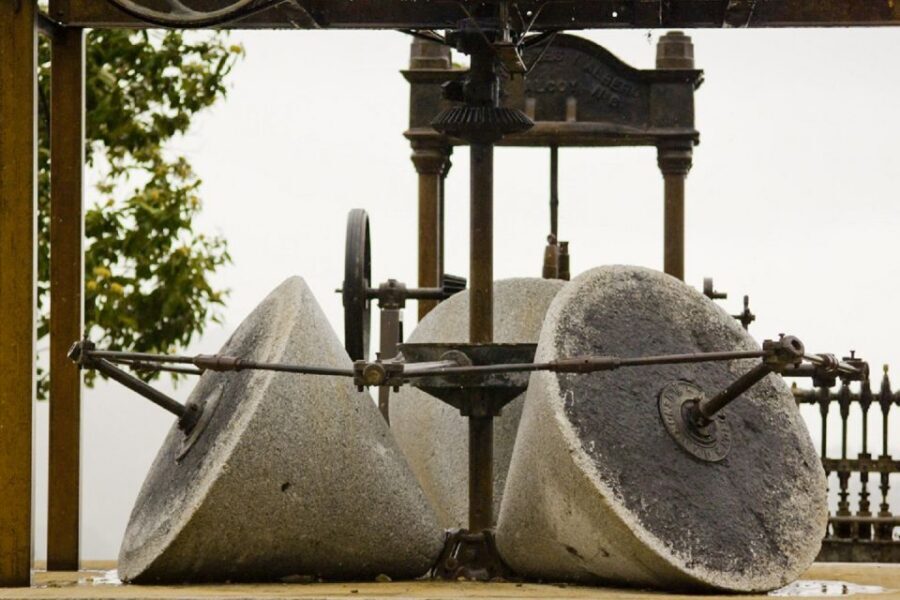
- Hands-on mill viewing: see the machines used for processing and oil preservation
- Tasting built around contrasts: sweet, bitter, and spicy oils, plus bread (and sometimes sweet bites)
- Direct-from-source shopping opportunity: you may be able to buy oil straight from the farm
- Language-led guidance: live guides in Spanish, English, French, and Italian, with a small-group feel
The Seville-to-farm drive: how the day starts
The tour starts with pickup in central Seville (or nearby a main office spot on Calle Rastro). Then you head out through the countryside by air-conditioned minivan. This ride matters more than you might think. It’s the transition from city pace to olive-country pace, and it usually sets the tone for the day: slower, rural, and focused.
Timing is also part of your expectations. The tour is listed as 4 hours total, but real days can stretch. On holidays like Good Friday, the day can run longer, sometimes with an extra stop for lunch in a nearby village. Other times, the “on the farm” portion can feel closer to a shorter window once you include driving and the tasting flow.
You can also read our reviews of more tours and experiences in Seville

Olive orchard walk: why tree care is the real starting point
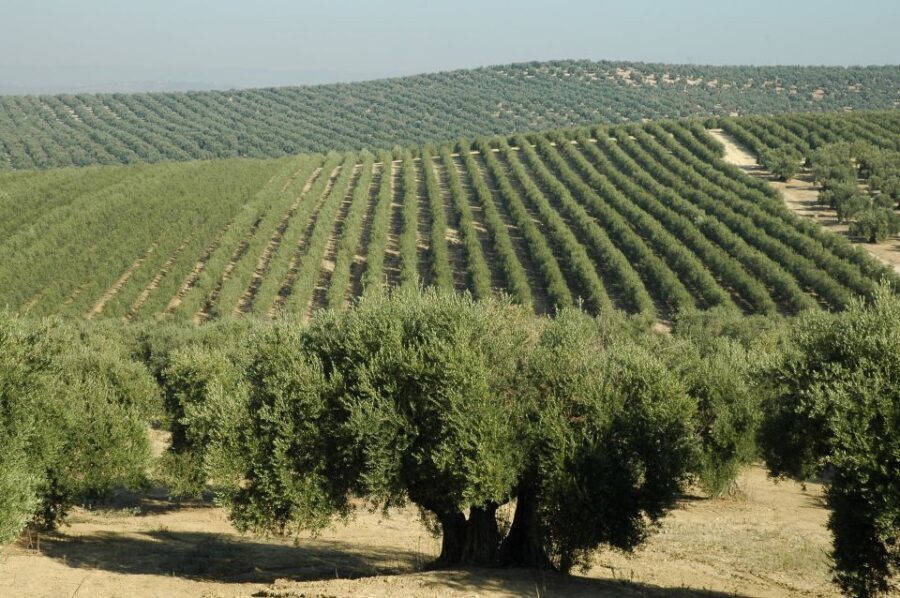
Before you see the factory, you walk among hundreds of olive trees. This is where the tour earns its keep. Olive oil isn’t only a machine story. It starts with the tree: how it’s cared for, when it’s harvested, and what the farm pays attention to year after year.
You’ll hear explanations from the person running the operation. In guides and hosts associated with this kind of farm tour, you’ll often get very personal detail—like how olives are grown and how harvest decisions affect the oil. I like this approach because it helps you connect what you’re tasting later to something you can actually visualize in the orchard.
Also, you’ll probably notice small farm details that break the whole thing out of “tour bus mode.” One recent highlight was a peacocks surprise on the estancia. That’s exactly the kind of moment that makes a countryside experience feel lived-in, not staged.
Tip: wear shoes you can handle on uneven ground. Even when paths are simple, you’ll be standing and walking enough that flip-flops are a bad call.
Inside the small factory: seeing machines and physical methods
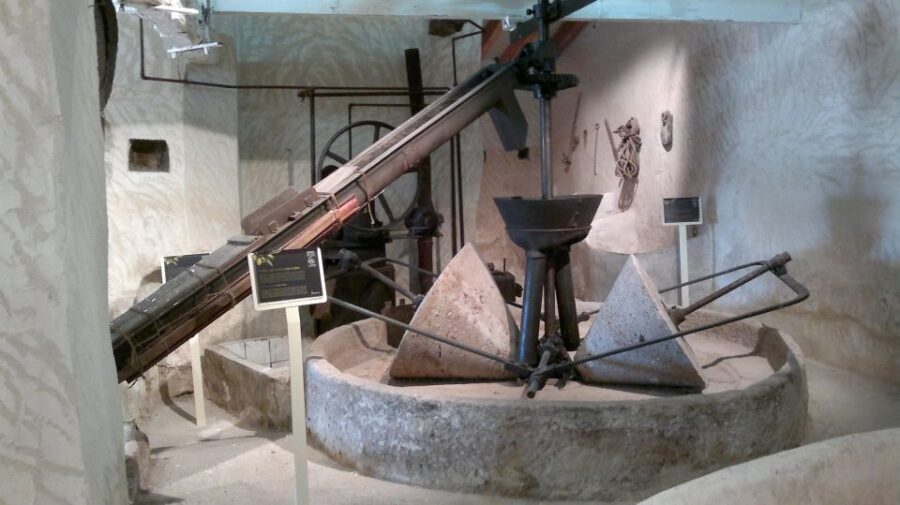
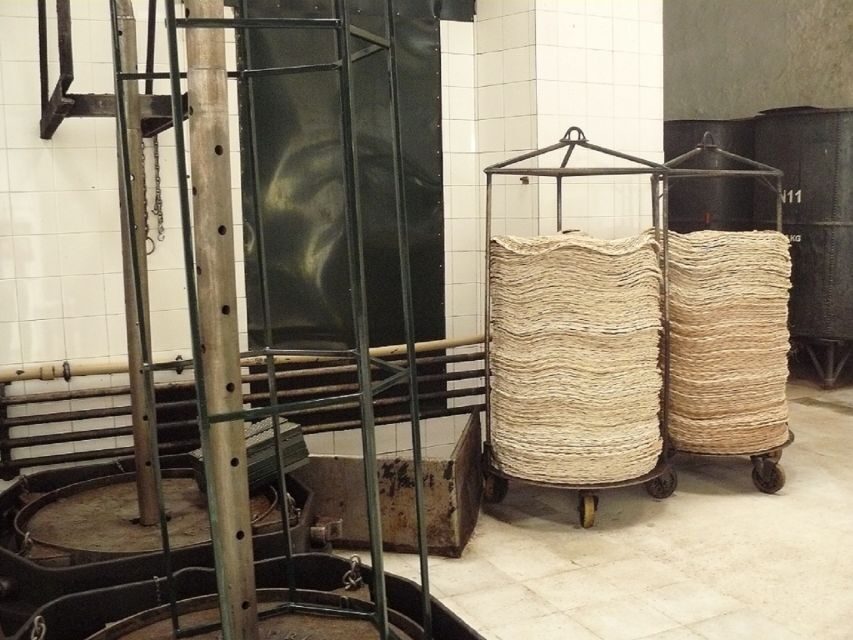
After the orchard, you move into the processing area with the manager. This is the factory portion: not a massive industrial plant, but a small operation where you can follow the logic of how olives become oil.
Here’s what stands out in how these tours are presented: they emphasize physical methods and hand picking. That’s a big clue about the farm’s philosophy. Instead of relying on speed and scale, they focus on careful handling and a process that’s meant to protect quality.
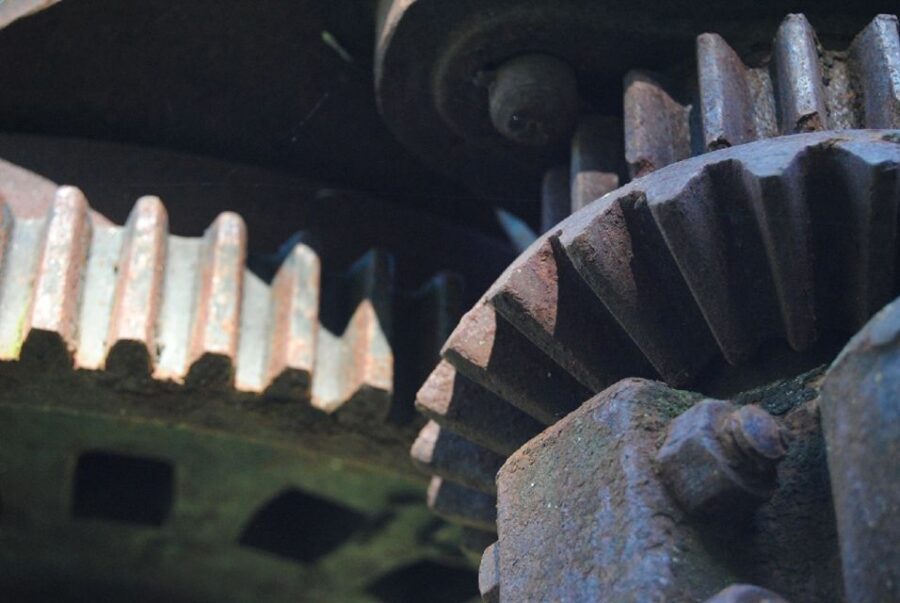
You’ll also learn what the machines do across the processing chain. One reviewer noted that seeing older olive-extraction equipment alongside the current setup was especially informative. That pairing—old tools and working modern machines—helps you understand that the essentials haven’t disappeared. The methods evolve, but the goal stays the same: get clean oil while keeping quality intact.
If you’re curious about how oil is preserved after processing, this stop is where that comes up. You’ll get explanations that connect preservation with flavor—so later, when you taste oils that are sweet, bitter, or spicy, it won’t feel random.
One practical note: some factory floors and machine areas can feel warm and close. If you run hot, dress in layers so you can handle both the outdoor orchard and the indoor work space.
The tasting session: sweet, bitter, spicy, and how to make sense of it
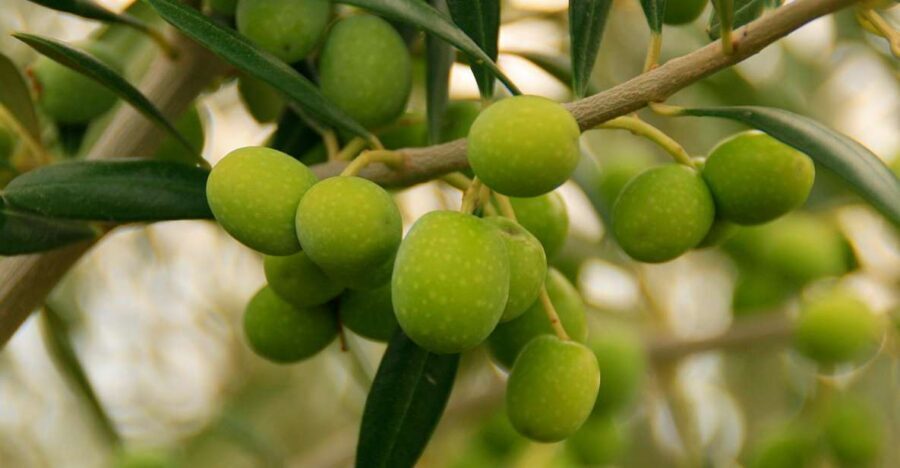
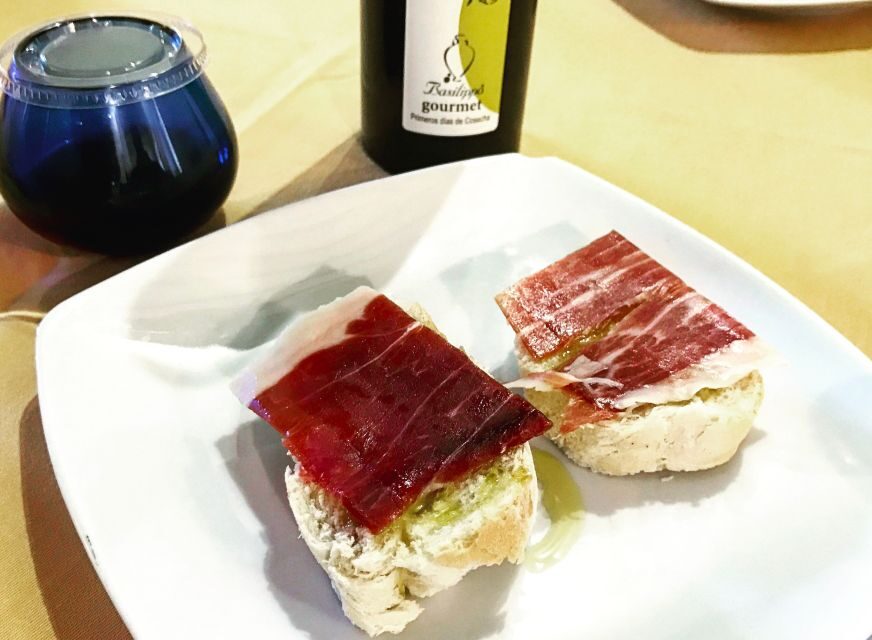
Then comes the part most people remember: tasting. This isn’t just one oil poured into a cup. You’ll taste different varieties with an appetizer, and you’ll compare how each one feels on your palate.
What I like about this structure is that it trains your senses. “Sweet, bitter, and spicy” isn’t just marketing language. It’s a way of describing how the oil behaves. You’re likely to taste it on bread, and some sessions add sweet bites like olive oil ice cream or a dessert described as an olive desert.
Those extras matter because they give you an easy bridge from “olive oil as condiment” to “olive oil as flavor.” Once you’ve had it that way, it’s easier to understand why a good bottle costs more than the bland stuff.
Also, pay attention during the tastings to what the guide tells you about what you’re experiencing. In sessions led by hosts like Sara, Benoit, William, or Patricia, the best tours tend to do one thing well: they teach you how olive oil should taste and what to look for when buying.
How to be a good taster (and not feel awkward):
- Take small sips or samples, not gulps.
- Smell first, then taste.
- Try to separate flavor (sweet/bitter/spicy) from intensity (how strong it feels).
What you actually see and learn: Roman-era roots, real farm routines
Olive oil production in Andalusia goes way back—this area has produced olive oil since Roman times, around 2,000 years ago. The tour connects that long timeline to what’s happening now: an ongoing farm routine where the trees wait for the picking season, then the fruit moves through a processing workflow.
You’ll likely hear stories tied to the family or multi-generation farm setup. In examples linked with these tours, hosts like Isaac and other family members have explained the process personally—caretaking, harvesting, pressing, and then how they aim to keep oil quality from processing to bottling.
That family-led angle is often what makes the tour feel more grounded. You’re not just getting a lecture. You’re seeing a working farm and hearing how it’s sustained.
There can also be a small farm shop element. Some sessions include time to buy bottles direct from the source, and a few mentions also point to handmade soaps and other small items.
If shopping matters to you, it’s worth planning to leave room in your bag. A good olive oil bottle is heavy enough that you’ll want to carry it smartly.





Shared vs private: what to choose for your day
This is where you should think like a strategist. The tour offers a choice between a shared or private setup, and your experience can change depending on how the day is running.
In general, the small group format helps the guide keep the pace human and the tasting interactive. That’s a big plus if you want questions answered without feeling rushed.
But here’s the consideration: a “private” label can still get affected by operational realities. One account described a situation where a private booking didn’t stay fully private after waiting for additional people. That’s not something you can predict, but it is something you can handle.
If you want true privacy, I’d ask the operator directly a simple question before you book: will a private tour remain private for your exact group size, or can it be combined if other bookings need to join?
Who should pick what:
- Choose shared if you want a lively small group and don’t mind meeting others.
- Choose private if you value quieter pacing, more direct Q&A, or you’re traveling with people who prefer not to mix.
Price and value: is $105 fair for four hours?
At about $105 per person for a 4-hour outing, the price is not cheap. But the value isn’t only the tastings. You’re also paying for pickup/drop-off in Seville, transportation in an air-conditioned minivan, and a guided experience that includes orchard time, factory time, and oil tasting.
Food isn’t included. So if you’re hungry afterward (or you want more time outdoors), budget either for a follow-up meal in Seville or for planning around the tour’s return time. The experience is designed so you head back to Seville around early afternoon after about three hours at the farm.
Where the price feels justified is when you want more than a quick photo stop. If you care about understanding taste—how olive oil flavors actually differ—this kind of guided comparison can be genuinely useful. One big theme from guides associated with these tours is teaching you how olive oil should taste and how to shop more confidently later.
If your main goal is just a casual countryside walk and a couple sips, you might feel it’s overpriced. That’s the trade-off for a small, quality-focused farm visit versus a cheaper, longer bus ride.
Practical prep: what to bring and who should skip it
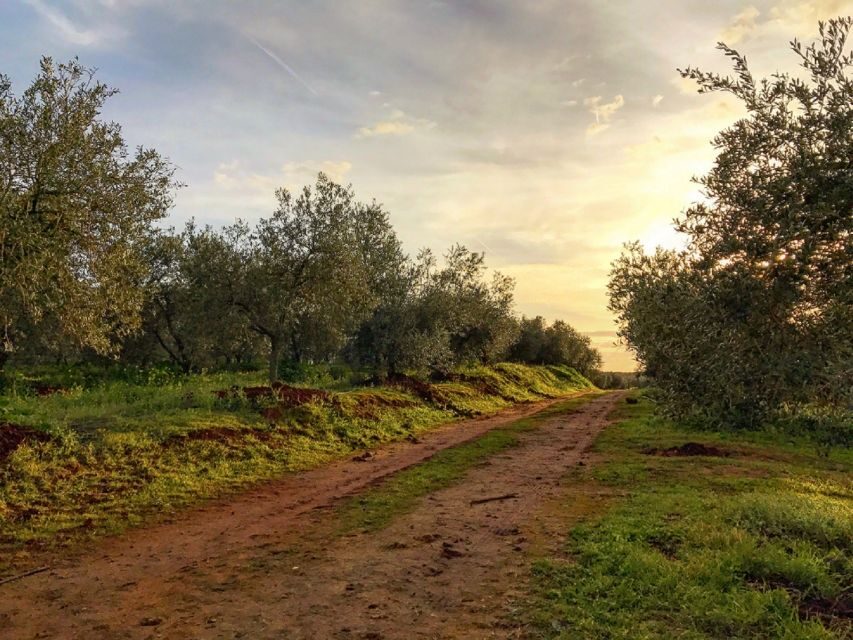
Bring comfortable clothes and comfortable shoes. You’ll be moving between outdoors and indoor areas, and the orchard walk is part of the core experience.
Here are the other “know before you go” points that can affect your comfort:
- Wheelchair users: not suitable.
- Minors: unaccompanied minors aren’t allowed; children must be accompanied by an adult at all times.
- If you need an infant seat: you’ll need to request it in advance.
If you’re a family, this can be a decent educational break. One account described children (around ages 9–10) enjoying it. The key is that the tour includes tangible stops—trees, machines, tastings—so it doesn’t feel like a lecture with nowhere to look.
If you hate tastings or you only want a “fast” activity, skip it. This is a flavor-based tour. The tasting is the point.
Should you book this olive oil farm tour near Seville?
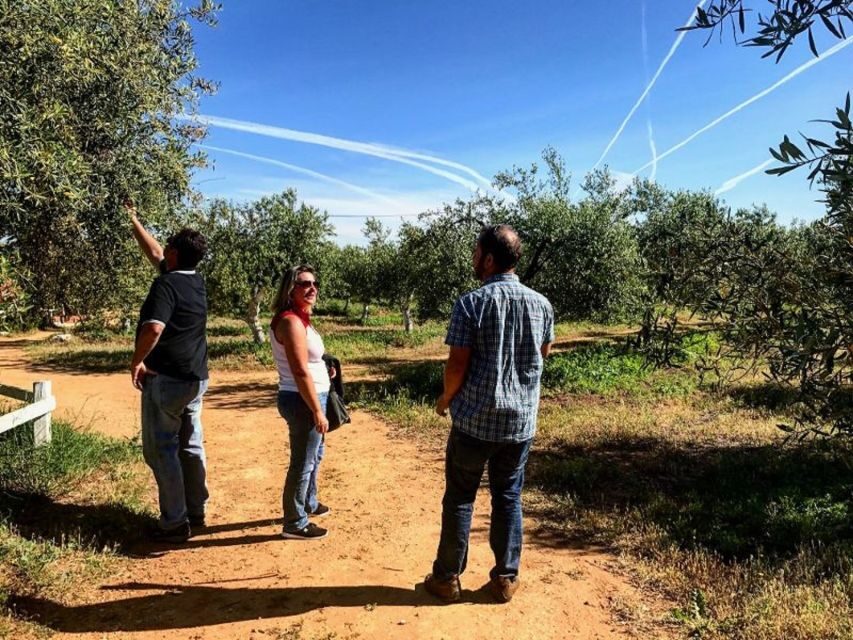
I’d book it if you fall into any of these buckets:
- You’re staying in Seville for a few days and want one real countryside morning or early afternoon.
- You like food experiences where you learn what you’re tasting and how to judge quality later.
- You want something smaller and more farm-rooted than a mass-market attraction.
- You enjoy meeting people who can explain not just what happens, but why it matters to flavor.
I’d think twice if:
- You’re on a tight schedule and can’t handle timing drift.
- You don’t want to pay for pickup/transportation and guidance.
- You’re expecting a long orchard walk with lots of free time. This experience prioritizes orchard viewing plus factory walkthrough plus tasting, with limited “wander and do nothing” time.
Bottom line: for the $105 price, you’re buying access, context, and a tasting that can actually change how you shop for olive oil later. If that sounds like your kind of trip, it’s a smart use of an afternoon outside Seville.
FAQ
How long is the Olive Oil Farm Tour from Seville?
The tour duration is listed as 4 hours.
Where is pickup in Seville?
Pickup is available in center Seville from your accommodation. There’s also an accessible near point option close to Street Rastro 12A (main office).
What does the ticket cost include?
Admission includes the driver/guide, hotel pickup and drop-off, small group tour, and transport by air-conditioned minivan.
Is food or drinks included?
Food and drinks are not included.
Will I taste olive oil during the tour?
Yes. The tour includes a tasting session of different olive oil varieties with an appetizer.
Can I book a private tour instead of shared?
Yes. A private group option is available, alongside shared tour options.
What languages are offered?
The live tour guide is offered in Spanish, English, French, and Italian.
Is this tour wheelchair accessible?
No. It is not suitable for wheelchair users.